
Social anxiety disorder is a persistent fear of being judged, embarrassed, or scrutinized by others, one that goes far beyond ordinary shyness and lasts six months or more, interfering with school, work, or relationships. It is not a personality flaw or a phase to outgrow. Cognitive behavioral therapy and, when appropriate, medication are both backed by strong evidence, and most people who commit to treatment see real, measurable improvement.
TL;DR:
- Avoidance behaviors reinforce social anxiety by providing temporary relief, leading to longer-lasting fears and increased social withdrawal over time.
- Treatments like cognitive behavioral therapy and medication typically take several weeks to months for noticeable and sustained improvements.
- Untreated social anxiety can worsen avoidance patterns, impact career growth, and increase the risk of secondary conditions like depression and substance use.
- Early, gradual social exposure and routine coping strategies help prevent the development of severe social anxiety in at-risk children.
- Support for underlying brain regulation, such as proper sleep and nutrition, can complement therapy but should not replace professional treatment options.
Table of Contents
- What Are the Symptoms of Social Anxiety?
- Why Does the Brain React This Strongly to Social Situations?
- How Is Social Anxiety Diagnosed?
- What Treatments Actually Work for Social Anxiety?
- What Coping Strategies Help Day to Day?
- When Should You Seek Professional Help?
- How Long Does It Take to Improve?
- What Happens if Social Anxiety Goes Untreated?
- How Does Social Anxiety Affect Work and Relationships?
- Can Social Anxiety Be Prevented in At-Risk Kids?
- A Few Honest Words on Living With This
- Where Nutritional Support Fits Into a Social Anxiety Care Plan
- Sources
What Are the Symptoms of Social Anxiety?
Social anxiety shows up differently depending on age, but the underlying pattern is consistent: intense fear of negative judgment, paired with physical stress responses and a strong urge to escape or avoid.
Emotionally and cognitively, people often replay conversations for hours afterward, assume the worst about how they came across, and feel a persistent dread before anything social. Behaviorally, this translates into avoidance (skipping the school presentation, declining the work happy hour, ordering delivery instead of eating at a restaurant) or “masking,” where someone forces eye contact and rehearsed small talk while feeling panicked underneath. Physically, the NIMH notes that blushing, sweating, trembling, a racing heart, nausea, and the sensation of the mind “going blank” are all common.
Across life stages this looks like:
- Children: stomachaches before school, refusing to speak in class (sometimes selective mutism), clinging to a parent at birthday parties.
- Teens: dodging group projects, eating lunch alone to avoid the cafeteria, agonizing over text messages before sending them.
- Adults: turning down promotions that require public speaking, avoiding dating, exhaustion after a single networking event.
That exhaustion is a diagnostic clue in itself. Because avoidance temporarily reduces fear, it gets reinforced, which is exactly why anxiety persists instead of fading with time. A detailed breakdown of everyday impact walks through more of these patterns. Watch for urgent red flags: panic attacks, self-harm thoughts, or a total shutdown of school or work attendance warrant same-week professional evaluation, not a wait-and-see approach.
Why Does the Brain React This Strongly to Social Situations?
Social anxiety isn’t a choice or a weakness. Neuroimaging studies show measurable structural and functional differences in people with the disorder, particularly in circuits connecting the amygdala, striatum, thalamus, and cerebellum. Research on these cortico-striato-thalamo-cerebellar circuit patterns points to a two-part mechanism: an overactive bottom-up threat response (the amygdala firing hard at the mere thought of being watched) paired with a prefrontal cortex that struggles to regulate that alarm once it’s triggered.
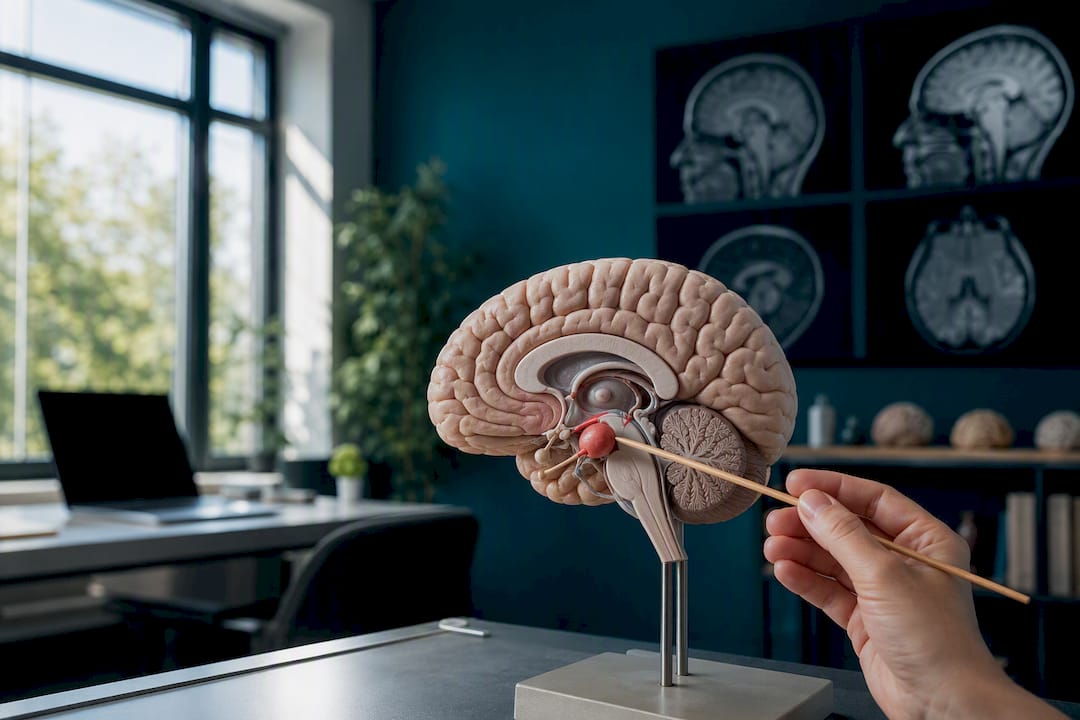
Genetics, temperament, and early learning experiences all shape how sensitive this system becomes. A child who was harshly criticized for a shaky voice during a school reading, or who watched a parent model social avoidance, can wire in a threat response that later looks disproportionate to outside observers but feels entirely real from the inside.
This is also where overlapping conditions matter. ADHD and executive function weaknesses (working memory, inhibitory control) make it harder to plan what to say, monitor social cues in real time, and recover gracefully from an awkward moment, which can amplify avoidance and leave a person more drained afterward. Autistic individuals may find sensory overload from crowded rooms or overlapping conversations compounding the fear of judgment, so the presentation can look like sensory avoidance and social anxiety intertwined. Treatment that ignores these overlaps tends to underperform. Exposures need to be shorter and more scaffolded, and skills training needs to explicitly support planning and working memory rather than assuming a person can just “push through.”
How Is Social Anxiety Diagnosed?
A clinical diagnosis requires more than a bad case of nerves. The DSM-5 criteria, summarized by NIMH, require fear or anxiety about one or more social situations where the person may be scrutinized, symptoms lasting six months or longer, and meaningful impairment in daily functioning, not just occasional discomfort.
Clinicians commonly use short screening tools to gauge severity before a full evaluation:
- SPIN (Social Phobia Inventory): a 17-item self-report scale.
- Mini-SPIN: a 3-item shortened version useful for quick screening.
- LSAS (Liebowitz Social Anxiety Scale): rates fear and avoidance across specific situations.
Differentiating social anxiety from ordinary shyness comes down to impairment and duration. A shy person feels awkward but still goes to the party; someone with social anxiety disorder cancels, rehearses excuses for weeks, or quits a job to avoid a required presentation. It’s also worth distinguishing from autism-related social differences, which stem more from processing social information differently than from fear of judgment, and from panic disorder, where panic attacks occur unpredictably rather than specifically in social contexts. When symptoms check multiple boxes above, a referral to a licensed therapist or psychiatrist is the next step.
What Treatments Actually Work for Social Anxiety?
Two approaches carry the strongest evidence, and understanding how they differ helps set realistic expectations.
Cognitive behavioral therapy, particularly the exposure therapy component, works by gradually and repeatedly facing feared social situations until the brain’s alarm system recalibrates. It also targets the distorted thoughts (“everyone noticed I stumbled”) that keep the fear alive. Medication is the other first-line option: Harvard Health outlines SSRIs like sertraline and paroxetine, and SNRIs like venlafaxine, as standard choices, with beta-blockers sometimes prescribed specifically for the physical symptoms of performance-based anxiety, such as a shaking voice during a presentation.
An estimated 7.1% of U.S. adults experienced social anxiety disorder in the past year, with lifetime prevalence estimated to be around one in eight adults, according to NIMH data. This is not a rare condition.
Benzodiazepines deserve a specific caution here. They can calm symptoms fast, but Harvard Health notes real dependence risk, which is why they’re generally reserved for short-term or occasional use rather than daily management.
A useful rule of thumb from clinical reviews: medication often works faster, while CBT tends to produce longer-lasting results, and combining both doesn’t reliably outperform either one alone. Additional supports worth considering:
- Group therapy, which doubles as built-in exposure practice.
- Acceptance and commitment therapy (ACT), which focuses on acting according to your values despite anxious feelings rather than eliminating them.
- Structured digital CBT programs for people without local specialist access.
- Peer support groups for shared coping strategies and reduced isolation.
What Coping Strategies Help Day to Day?
Formal treatment works best paired with practice outside the therapy room. These strategies aren’t a replacement for CBT or medication, but they build the same muscles.
- Build a graded exposure ladder. List feared situations from mildly uncomfortable to very difficult (making small talk with a cashier, then a coworker, then speaking up in a meeting), and work up gradually rather than jumping to the hardest item first.
- Use a pre-event script. Before a networking event or a first date, prepare two or three conversation openers and one graceful exit line. Having a plan reduces the mental load of improvising under stress.
- Practice box breathing. Inhale for four counts, hold for four, exhale for four, hold for four. Repeat for two minutes before a stressful interaction to calm a racing heart.
- Prioritize sleep and movement. Poor sleep measurably worsens emotional regulation, and regular movement helps burn off the physical stress hormones that build up around anticipated social events.
- Support the nervous system nutritionally. Steady blood sugar and adequate micronutrients support the same prefrontal regulation circuits involved in anxiety, which is why some families use nutritional brain support alongside therapy rather than instead of it.
Pro Tip: Keep exposure sessions short and frequent rather than long and rare. Five minutes of practiced small talk twice a week builds more tolerance than one grueling hour-long attempt once a month.
For parents and educators, scaffolding matters more than pushing through. A written checklist, a timer, or a quiet exit signal for an overwhelmed student can turn an exposure into a success instead of a retraumatizing failure. More structured routines and coping scripts are outlined in this collection of coping skills for stress and anxiety.
When Should You Seek Professional Help?
If avoidance is shrinking someone’s world, school refusal, job loss, isolation, or safety concerns, it’s time for a formal assessment rather than more self-help.
When interviewing a therapist, ask directly:
- Do you have specific training in CBT and exposure therapy for social anxiety?
- How do you track progress session to session?
- What does a typical treatment timeline look like for someone with my symptoms?
If medication becomes part of the plan, expect an initial adjustment period and follow-up visits to monitor side effects and dosage. Community mental health centers, sliding-scale clinics, and telehealth platforms have made therapy access far more workable for people without local specialists nearby. Anyone in crisis should contact local emergency services or a crisis line immediately.
How Long Does It Take to Improve?
Most people notice initial shifts within 8 to 12 weeks of consistent CBT or a few weeks into an effective medication dose, though full symptom reduction often takes several months. Meaningful improvement looks like less avoidance, not zero anxiety: attending the meeting despite nerves, staying at the party past the ten-minute mark. Occasional booster sessions after stressful life transitions, a new job, a move, help maintain gains long term.
What Happens if Social Anxiety Goes Untreated?
Left unaddressed, social anxiety rarely stays contained to one area of life. Because avoidance is self-reinforcing, the list of situations someone sidesteps tends to grow rather than shrink. A teenager who avoids one class presentation may start skipping the whole class; an adult who avoids one meeting may start structuring an entire career around minimal visibility.
Untreated social anxiety in adolescence is also linked to a higher likelihood of the condition persisting into adulthood, since onset commonly occurs before age 20 and the avoidance patterns learned early tend to calcify without intervention. Left alone long enough, it frequently drags other problems along with it: depression from chronic isolation, substance use as informal self-medication (alcohol before social events is a common pattern), and secondary conditions like panic disorder.
There’s also a subtler cost that rarely gets discussed: identity fusion. People who’ve lived with untreated social anxiety for decades often start believing it’s simply who they are, “I’ve just always been like this,” rather than recognizing it as a treatable medical condition. That belief itself becomes a barrier to seeking help, because you can’t treat what you’ve decided is a fixed personality trait. The good news is that this reframe, understanding it as a condition rather than a character trait, is often the exact turning point that gets people into treatment even after years of avoidance.
How Does Social Anxiety Affect Work and Relationships?
The functional cost of social anxiety is easy to underestimate from the outside because so much of it is invisible. A colleague who never volunteers for presentations isn’t necessarily disengaged; they may be managing intense internal distress just to sit through the meeting.
Occupationally, this shows up as declined promotions that require visibility, avoided networking that limits career growth, and chronic underperformance relative to actual skill, since interviews, performance reviews, and team meetings all trigger the same threat response. Some people gravitate toward careers that minimize social exposure, which can mean real talent going underutilized for years.
Socially, the toll compounds quietly. Friendships require initiation and maintenance that anxiety makes exhausting, so people with social anxiety often end up with smaller support networks precisely when they’d benefit most from connection. Romantic relationships can stall at the early dating stage, where uncertainty and evaluation are highest. Family gatherings, weddings, and holidays, events meant to be enjoyable, become sources of dread requiring days of anticipatory anxiety and recovery time afterward.
For students, the impact often gets misread as laziness or lack of preparation when the real issue is fear of speaking up or being called on. For working adults, it’s frequently mistaken for introversion or disinterest. Both misreadings delay the recognition that something treatable is actually happening, which is part of why understanding how masking affects social interactions matters for coworkers, teachers, and family members trying to make sense of what they’re seeing.
Can Social Anxiety Be Prevented in At-Risk Kids?
Prevention isn’t guaranteed, but certain factors measurably lower risk in children who show early signs like behavioral inhibition, extreme shyness, or high sensitivity to criticism.
Early, low-stakes social exposure matters more than most parents realize. Rather than forcing a hesitant child into overwhelming situations or letting them avoid all social contact, structured, gradual practice, short playdates, small group activities, brief speaking opportunities, builds tolerance before avoidance patterns solidify. Modeling matters too: children absorb how parents talk about and handle their own social discomfort, so a parent who narrates coping (“I’m nervous about this call, but I’m going to make it anyway”) teaches a different lesson than one who visibly avoids the same situations.
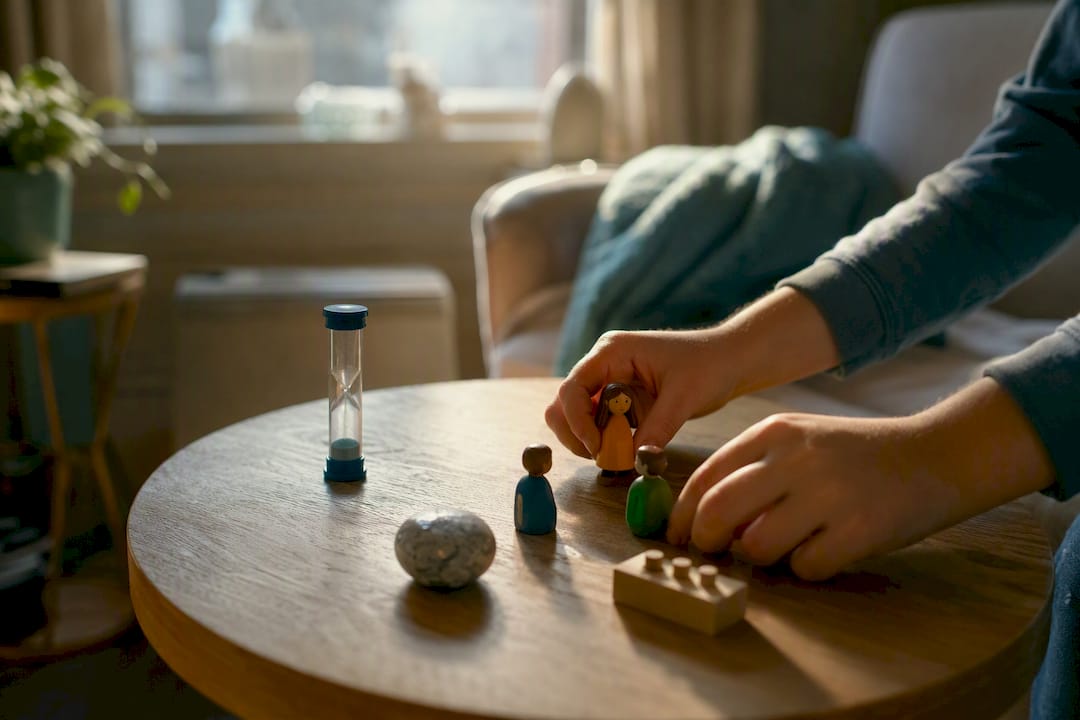
Schools play a meaningful role as well. Teachers who notice a consistently withdrawn student and loop in parents early, rather than assuming the child will “grow out of it,” create a window for intervention before the teenage years, when social stakes rise sharply. For children with ADHD, autism, or sensory sensitivities, explicit skills coaching around social scripts and executive function support (rather than generic encouragement to “just try”) reduces the compounding effect where social fear and processing differences reinforce each other. None of this eliminates risk entirely, since genetics and temperament play a real role, but it can meaningfully shift the trajectory for kids showing early warning signs.
A Few Honest Words on Living With This
Masking is exhausting, whether you’re seven and hiding a stomachache before school or forty and smiling through a meeting your body is treating as a threat. Try one small exposure this week, not the hardest one, and if it doesn’t get easier alone, a good therapist can help faster than most people expect.
— Ellory
Where Nutritional Support Fits Into a Social Anxiety Care Plan
Supplements never replace therapy or medication for social anxiety, but the nervous system that regulates fear responses also depends on consistent sleep, balanced meals, and steady blood sugar, basics that get overlooked when someone is deep in avoidance and exhaustion. Snapbrainformula’s capsule and liquid formulas are built as nutritional brain support for mood, focus, and emotional balance across children, teens, and adults, designed to sit alongside a therapy or medication plan rather than substitute for one.
Families juggling ADHD, executive function struggles, and social anxiety together often find that supporting the underlying brain chemistry makes the skills work in therapy land more easily, since a dysregulated system has less capacity to absorb new coping strategies. If you’re already working with a clinician, especially one managing SSRIs or other medications, talk with them before adding any supplement. Visit the Snapbrainformula product page to see the full formula lineup and decide whether it fits into your family’s broader support plan.
This article is general information, not a substitute for advice from a qualified doctor. Consult a qualified healthcare professional about your own circumstances before acting on anything here.
Sources
- Social Anxiety Disorder: What You Need to Know - NIMH
- Social Anxiety Disorder (StatPearls) - NCBI Bookshelf
- Social anxiety disorder treatments and tips for managing this challenging condition - Harvard Health
- Structural and functional deficits and couplings in the cortico-striato-thalamo-cerebellar circuitry in social anxiety disorder - PMC
