
L-Theanine calms and sharpens attention by working through GABA and alpha-wave activity in the brain; L-Tyrosine supports dopamine and norepinephrine production, which helps under stress or mental fatigue. They target different systems, so stacking them is reasonable for most healthy adults, but the clinical evidence for combined benefits is thin and mixed. The smarter path is to trial one first.
- L-Theanine fits situations that call for calm focus: public speaking, noisy offices, caffeine jitters.
- L-Tyrosine fits situations with real cognitive load or sleep deprivation: exams, shift work, high-stakes deadlines.
- They are generally safe to combine, but a 2024 VR-based stress drill trial found no measurable benefit from stacking them over placebo.
- Start with one ingredient for a week, track how you feel, then add the second only if you still need more support.
Key Takeaways
L-Theanine supports calm attention through GABA modulation, L-Tyrosine supports stress resilience through catecholamine synthesis, and stacking the two is safe for most healthy adults but not proven to add extra benefit.
| Point | Details |
|---|---|
| Different mechanisms | L-Theanine modulates GABA and alpha waves; L-Tyrosine feeds dopamine and norepinephrine synthesis. |
| Best single-dose evidence | A 200 mg L-Theanine dose improved choice reaction time within 30 to 60 minutes in reviewed trials. |
| Tyrosine works under stress | Benefits appear most reliably during sleep loss or high cognitive demand, not daily rest. |
| Combined use unproven | A 2024 VR-based stress drill trial found no added benefit from stacking versus placebo. |
| Trial one ingredient first | Run a two-week single-agent test before combining, and consider Snapbrainformula’s evidence-informed formulas for a curated option. |
This article is general information, not a substitute for advice from a qualified doctor. Consult a qualified healthcare professional about your own circumstances before acting on anything here.
Table of Contents
- L-Tyrosine vs L-Theanine: How Each One Works in the Brain
- What the Research Actually Shows for L-Theanine and L-Tyrosine
- Choosing Between L-Theanine and L-Tyrosine for Your Situation
- How to Stack L-Theanine and L-Tyrosine Safely
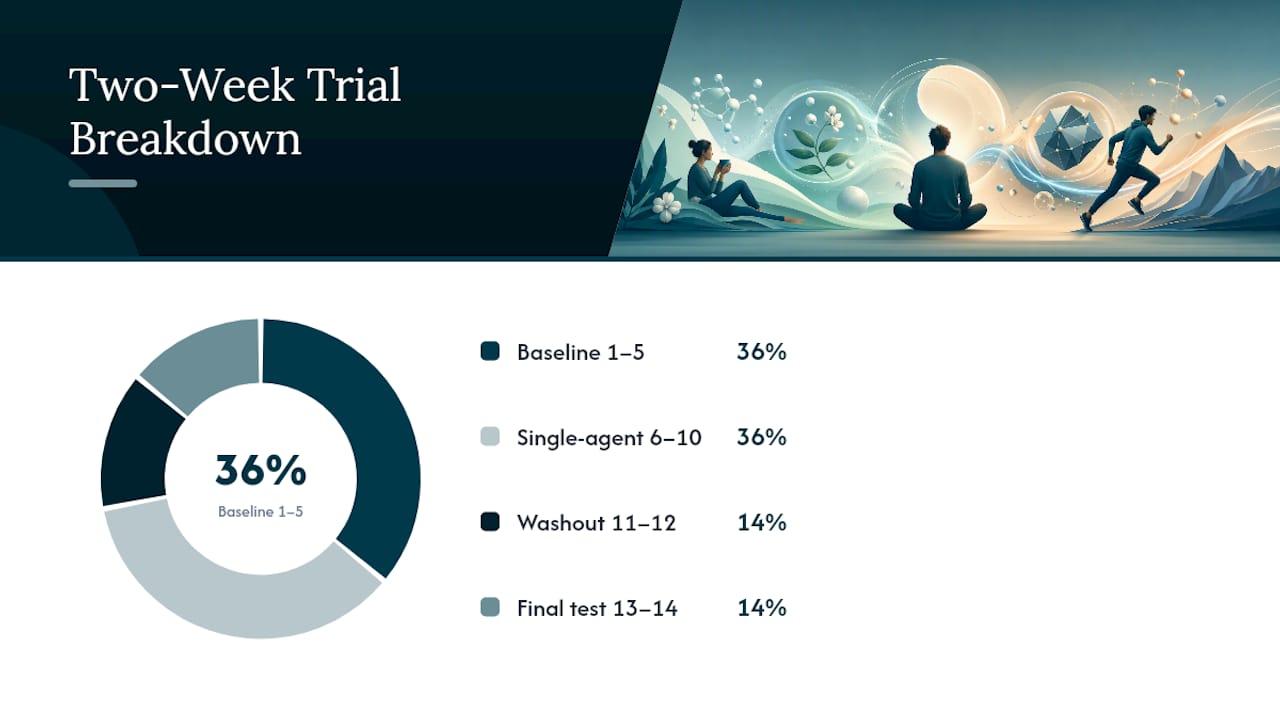
- A Simple Two-Week Trial Plan for Dosing and Timing
- Chemical Structure and How Your Body Processes Each One
- Side Effects to Watch for With Each Supplement
- How to Decide Which One Matches Your Goal
- What the Evidence Actually Supports, and What It Doesn’t
- Sources
L-Tyrosine vs L-Theanine: How Each One Works in the Brain
L-Theanine is an amino acid found almost exclusively in tea leaves, and it crosses the blood-brain barrier to influence GABA and glutamate signaling. That shift shows up on an EEG as increased alpha-wave activity, the pattern associated with relaxed, non-drowsy attention. It doesn’t sedate you. It changes what your brain does with incoming stimulation, which is why people often describe it as taking the edge off without slowing them down.
L-Tyrosine works through a completely different pathway. It’s a dietary precursor to dopamine and norepinephrine, meaning your body uses it as raw material to build those neurotransmitters. Under normal, low-stress conditions, your brain already has enough tyrosine on hand and extra supplementation does little. But during sustained stress, sleep loss, or heavy cognitive demand, catecholamine stores get used up faster than they’re replenished. That’s the gap L-Tyrosine is built to fill.
Quick mechanism comparison:
- L-Theanine: modulates GABA/glutamate, raises alpha waves, promotes calm alertness without sedation.
- L-Tyrosine: supplies raw material for dopamine and norepinephrine synthesis, most useful when those systems are taxed.
- L-Theanine’s calming effect is measurable within roughly 30 to 60 minutes of a single dose.
- L-Tyrosine’s cognitive benefits appear most reliably under acute stress, not during rest.
Pro Tip: If you’re not sure which system needs support, ask yourself whether you feel wired and anxious (theanine territory) or foggy and depleted (tyrosine territory). The two feelings point to different fixes.
Animal research on tyrosine shows brain tissue concentrations peak about one hour after ingestion, and a human trial using 2 grams a day in cadets during a week of combat training found measurable improvements in memory and tracking tasks under extreme operational stress. That timing detail matters practically: taking tyrosine right before a stressful event may be too late to catch its peak effect, while taking it 45 to 60 minutes ahead lines up with when it’s actually working in brain tissue.
L-Theanine’s timeline is a bit more forgiving. Because it works through neurotransmitter modulation rather than raw synthesis, single 200 mg doses have shown benefits within the same 30 to 60 minute window, and short courses of daily use (around 28 days in trials) supported calm and alertness without disrupting sleep. That’s a meaningful distinction if you’re deciding between an as-needed dose before a stressful meeting versus a daily regimen aimed at overall stress resilience.
What the Research Actually Shows for L-Theanine and L-Tyrosine
The strongest data behind L-Theanine comes from a systematic review and meta-analysis showing that a single 200 mg dose, taken 30 to 60 minutes before testing, significantly improved choice reaction time in healthy adults. The same body of research found that 28 days of continued use supported calmness and alertness without making sleep worse, which addresses a common worry that a “calming” supplement might leave you drowsy the next morning.
That said, the picture isn’t uniformly clean. A separate meta-analysis on L-Theanine and cognitive performance found dose-dependent benefits on some attention tasks but inconsistent results across other cognitive measures, and the authors called for more standardized trials before drawing firm conclusions. Reaction time and alertness look solid. Broader claims about memory or executive function are shakier.
L-Tyrosine’s evidence base tells a more conditional story. A review of tyrosine supplementation across clinical and healthy populations found it can improve cognitive performance in short-term stressful or cognitively demanding situations, consistent with its role as a depletion reverser for catecholamines. But the same review notes effects vary considerably when demand is low, meaning tyrosine isn’t a universal cognitive enhancer. It’s a rescue tool for a taxed system, not a daily multiplier.
An older rapid evidence assessment covering randomized trials through late 2012 reached a similar conclusion: reasonable evidence for cognitive benefit under stress, but insufficient grounds for broad clinical recommendations. That’s over a decade of research landing in roughly the same cautious spot.
Combined-use trials are where the evidence gets genuinely thin. A 2024 randomized trial tested L-Theanine and L-Tyrosine together during a virtual reality active-shooter training drill, which is about as high-stress and realistic as a lab study gets.
Many people assume that because L-Theanine calms and L-Tyrosine supports drive, stacking them should produce a “best of both worlds” effect. The single high-stress combined trial available so far doesn’t support that assumption, even though neither ingredient showed obvious harm.
On safety, the L-Theanine meta-analysis reported no serious adverse events across the trials reviewed, though outcomes in anxiety-specific populations remained heterogeneous enough to warrant clinician oversight rather than self-directed use in clinical settings.
- L-Theanine: strong single-dose evidence for reaction time, modest and inconsistent evidence elsewhere.
- L-Tyrosine: most reliable under real stress or cognitive load, weak evidence for daily use without a stressor.
- Combined use: theoretically sound, empirically unconfirmed in the one high-stress trial available.
- No serious adverse events reported in major reviews of either ingredient alone.
Choosing Between L-Theanine and L-Tyrosine for Your Situation
The choice usually comes down to what you’re fighting: overstimulation or depletion.
When L-Theanine tends to work better:
- Social anxiety or public speaking. The calming, non-sedating profile takes the physical edge off nervousness without dulling your ability to think on your feet.
- Noisy or distracting environments. The alpha-wave shift helps filter background stimulation so you can hold attention on one task.
- Caffeine smoothing. If coffee makes you jittery or anxious, L-Theanine paired with caffeine is a well-studied combination that tends to reduce the jittery edge while keeping alertness. In fact, some research suggests the classic “focus” effect of green tea comes largely from this pairing rather than caffeine alone.
When L-Tyrosine tends to work better:
- Sleep deprivation. Overnight shift workers and new parents dealing with fragmented sleep fall into the exact depletion pattern tyrosine research targets.
- High-stakes cognitive stress. Exams, licensing tests, and critical presentations create the acute demand where catecholamine reserves get taxed fastest.
- Prolonged demanding tasks. Extended cognitive load, like a multi-hour negotiation or a long complex project sprint, matches the conditions in most of the positive tyrosine trials.
Pro Tip: Don’t confuse “high stress” with “high stakes.” A stressful but low-cognitive-demand day (a difficult conversation, for instance) may respond better to L-Theanine, while a low-stress but cognitively grinding day may still benefit from L-Tyrosine.
One caution applies across the board: anyone on antidepressants, MAOIs, stimulant medications, or managing hyperthyroidism should talk to a clinician before adding either supplement. Tyrosine’s role in catecholamine production and theanine’s interaction with neurotransmitter signaling both carry real interaction potential with those drug classes.
How to Stack L-Theanine and L-Tyrosine Safely
If you’ve trialed each ingredient separately and still want more support, a modest stacking pattern makes sense for most healthy adults. Take both 30 to 60 minutes before the event or task you’re preparing for, matching the onset windows seen in the research. A common starting pattern is 100 to 200 mg of L-Theanine alongside a low dose of L-Tyrosine, increasing the tyrosine gradually rather than jumping to the higher end of researched ranges.
Watch for these interactions:
- MAOIs: L-Tyrosine can raise the risk of a dangerous blood pressure spike when combined with monoamine oxidase inhibitors. This combination should be avoided without direct medical supervision.
- Thyroid medications: Tyrosine is a building block for thyroid hormone, so anyone on thyroid medication should check with a prescriber before adding it.
- Stimulant medications: Combining either amino acid with prescription stimulants (for ADHD or otherwise) can amplify effects on heart rate and blood pressure in some people.
- Blood pressure medications: One combat-training cadet study actually found tyrosine reduced blood pressure under stress, but that doesn’t mean it’s predictable for everyone on antihypertensive therapy.
While testing a stack, track three things: sleep quality (theanine shouldn’t disrupt it, tyrosine taken too late in the day might), any shift in anxiety levels up or down, and resting heart rate or blood pressure if you have any cardiovascular concerns or are on relevant medication. Most healthy adults tolerate both ingredients well, but “well tolerated in trials” isn’t the same as “guaranteed fine for you.”
A Simple Two-Week Trial Plan for Dosing and Timing
Clinical dosing ranges give you a starting point, not a prescription. L-Theanine’s acute research generally uses 100 to 200 mg per dose. L-Tyrosine studies span a wider range, commonly from around 500 mg up to 2,000 mg per day, sometimes weight-adjusted. Start at the low end of either range.
A structured two-week self-test beats guessing:
- Days 1 to 5 (baseline): Log sleep quality, a simple 1 to 10 focus rating, and a stress or anxiety rating, with no supplementation. Include resting heart rate and blood pressure if you have any relevant concerns.
- Days 6 to 10 (single-agent test): Try only L-Theanine or only L-Tyrosine, at the low end of the dose range, and keep logging the same metrics.
- Days 11 to 12 (washout, if needed): Stop supplementation briefly if you want a clean comparison before testing the second ingredient or the combination.
- Days 13 to 14 (combined or second-agent test): Try the other ingredient alone, or the stack, under the same conditions, and compare your logged numbers against baseline.
Pro Tip: Keep every other variable as constant as possible during the trial. Caffeine intake, sleep timing, and workload swings will distort your results far more than the supplement itself.
Stop and seek medical advice if you notice a resting heart rate increase you can’t explain, blood pressure changes, new or worsening anxiety, or any symptom that feels out of proportion to a dietary supplement.
Who’s Behind This Comparison
Snapbrainformula provides evidence-informed nutritional support for focus, mood, and emotional regulation, built on published research rather than trend-chasing. This comparison draws on peer-reviewed meta-analyses and controlled trials, not brand marketing claims.
- Supplement research on amino acids like these often involves small sample sizes and short trial windows, so treat individual studies as directional, not definitive.
- Ellory, the author of this piece, writes on neuroscience-adjacent topics for a general audience and is not a licensed clinician; nothing here replaces individualized medical advice.
- Anyone managing a diagnosed condition, taking prescription medication, or pregnant or nursing should consult a clinician before starting either supplement.
Chemical Structure and How Your Body Processes Each One
L-Theanine and L-Tyrosine are both amino acids, but their structures and metabolic paths diverge sharply. L-Theanine is structurally similar to glutamate, which explains why it interacts with glutamate and GABA receptors in the brain rather than getting used primarily for protein synthesis. It absorbs quickly from the gut and crosses the blood-brain barrier efficiently, which is part of why its effects show up within the hour.
L-Tyrosine, by contrast, is a large neutral amino acid that competes with other amino acids (like tryptophan and the branched-chain aminos) for transport across the blood-brain barrier via the same transporter system. That competition matters: eating a big protein-heavy meal alongside a tyrosine dose can blunt how much actually reaches the brain, since it’s competing with a flood of other amino acids for the same entry point. Taking it on a relatively empty stomach tends to improve uptake.
Metabolically, tyrosine also serves as a backbone for thyroid hormone production, giving it a broader physiological role beyond neurotransmitter synthesis. L-Theanine has no comparable secondary role. It’s a more targeted compound, acting almost exclusively on the calming, attention-related pathways in the brain, which is part of why its side effect profile tends to be simpler than tyrosine’s.
Side Effects to Watch for With Each Supplement
L-Theanine’s side effect profile is mild across most of the trial data, with headaches and mild digestive upset reported occasionally at higher doses. Because it doesn’t stimulate, oversedation isn’t typically a concern, though very high doses in sensitive individuals have been associated with unusual drowsiness.

L-Tyrosine’s side effects track more closely with its stimulating role in catecholamine production. At the higher end of researched ranges, some people report headaches, nausea, jitteriness, or insomnia if taken too late in the day. Because it feeds into norepinephrine synthesis, people prone to anxiety or with cardiovascular sensitivity may notice a faster heartbeat or elevated blood pressure at higher doses, which is why starting low and titrating up matters more with tyrosine than with theanine.
Neither ingredient has shown serious adverse events in the major reviews covering them, but “serious adverse events” and “no side effects” aren’t the same thing. Dose matters. A 100 mg theanine dose and a 200 mg one can feel meaningfully different to a sensitive person, and the same holds true across tyrosine’s wider dosing range, where 500 mg and 2,000 mg are genuinely different experiences physiologically.
How to Decide Which One Matches Your Goal
Start with the feeling you’re trying to change, not the supplement you’ve heard more about. If your problem is racing thoughts, physical tension, or getting derailed by noise and distraction, L-Theanine’s calming, attention-sharpening profile is the better first move. If your problem is running on empty after poor sleep or grinding through a demanding stretch of work, L-Tyrosine’s role in rebuilding catecholamine stores fits the actual mechanism at play.
People managing attention difficulties, including some with ADHD, sometimes report more consistent benefit from tyrosine’s dopamine-support pathway, though the research here is still developing and shouldn’t replace established treatment approaches. Similarly, those dealing primarily with anxiety symptoms are more likely to find L-Theanine’s mechanism more directly relevant than tyrosine’s.
The honest answer for most people is that neither ingredient is a universal fix, and matching the mechanism to the actual problem beats picking whichever one is trending.
What the Evidence Actually Supports, and What It Doesn’t
The research supports a fairly modest but real claim: L-Theanine reliably improves reaction time and short-term calm at a 200 mg dose, and L-Tyrosine reliably helps under genuine cognitive or physical stress, not as a general-purpose enhancer. Where conventional advice overreaches is the assumption that stacking them automatically multiplies the benefit. The one high-stress combined trial available found no measurable edge over placebo, which should temper expectations for anyone hoping the pairing works like a switch.
What gets underrated is the value of testing each ingredient alone before combining anything. Most people never isolate which compound is actually doing the work, so they can’t tell whether a stack is helping, doing nothing, or masking a mismatch between the supplement and the actual problem. A two-week structured trial, even an informal one, tells you more than another month of guessing.
If there’s one priority worth acting on first, it’s this: name the specific problem (overstimulation versus depletion) before reaching for either bottle. The mechanism should match the complaint. Everything else, including whether to stack them, follows from getting that first call right.
— Ellory
Try SNAP’s Evidence-Informed Approach to Focus and Calm
Snapbrainformula’s SNAP formulas are built around the same evidence-first logic laid out here: match the ingredient to the actual mechanism your brain needs support with, rather than guessing. For readers who’ve identified whether they’re dealing with overstimulation or depletion, SNAP offers curated capsule and liquid options formulated with transparency about what’s inside and why.

If you’re still deciding which pathway fits your situation, SNAP’s product pages break down formulations by the specific concern they target, whether that’s emotional regulation, focus, or stress resilience. For anyone weighing a broader stack, Snapbrainformula’s neurotransmitter balance guide covers additional options worth understanding before you commit to one path. Explore the current lineup and find the formula that matches what your two-week trial actually showed you.
Sources
Getting L-Theanine from tea sounds appealing, but the math doesn’t quite work for anyone chasing a clinical dose. A typical cup of brewed green or black tea contains somewhere in the range of 20 to 60 mg of L-Theanine, meaning you’d need several cups to approach the 200 mg dose used in the reaction-time trials, and you’d absorb a proportional dose of caffeine along with it. That’s not necessarily a downside. Research on green tea suggests the combined caffeine and L-Theanine effect is often stronger than either compound alone, which is part of why tea has a different subjective feel than an isolated theanine capsule.
L-Tyrosine shows up naturally in high-protein foods like poultry, fish, dairy, and soy, but food-based tyrosine competes with dozens of other amino acids for gut absorption and blood-brain barrier transport, diluting its effective dose. A supplement taken separately from a big meal delivers a cleaner, more predictable amount, which matters if you’re trying to replicate the doses used in stress-focused research.
Bioavailability also depends on the supplement’s form. Capsules and liquid formulations both work, but liquid delivery can absorb slightly faster, which may matter if you’re timing a dose closely around a specific event. Neither format meaningfully changes the total amount absorbed for most healthy adults, just the speed.
- Cognitive and affective effects of L-Theanine: a systematic review and meta-analysis
- Promising, but Not Completely Conclusive — The Effect of L-Theanine on Cognitive Performance (meta-analysis)
- Impact of L-theanine and L-tyrosine on markers of stress and cognitive performance in response to a virtual reality based active shooter training drill
