
Certain nutritional supplements have real, peer-reviewed evidence behind them for ADHD symptom support. The strongest candidates are omega-3 fatty acids, iron, zinc, magnesium, vitamin B12, melatonin, and carnitine. None of them replace FDA-approved medications or behavioral therapy, but several can play a meaningful supporting role, especially when a deficiency is driving symptoms. The American Academy of Pediatrics clinical guidelines are unambiguous: stimulants carry an effect size of roughly 1.0, nonstimulants around 0.7, and supplements land well below both. That gap matters. What also matters is that for families who want to reduce medication load, support sleep, or address a documented nutrient gap, the right supplement, used correctly, can make a measurable difference.
Here is a quick-reference summary of the supplements with the most clinical backing:
- Omega-3 fatty acids (EPA/DHA): Most consistent evidence; modest but statistically significant improvement in ADHD symptoms across multiple meta-analyses
- Iron: Helpful when serum ferritin is low; limited benefit in non-deficient children
- Zinc: Reduces hyperactivity and impulsivity in deficient populations; evidence thinner for those with normal levels
- Magnesium: Some benefit for behavioral symptoms; toxicity risk at high doses
- Vitamin B12: Supports neurotransmitter synthesis; deficiency linked to attention and mood problems
- Melatonin: Strong evidence for sleep-onset insomnia in ADHD; minimal effect on core daytime symptoms
- Carnitine: Early evidence for attention improvement; research still limited
- SNAP (Snapbrainformula): A multi-ingredient formula designed to address several of these nutritional targets simultaneously
Table of Contents
- Which ADHD supplements have the strongest clinical evidence?
- What the research actually says about supplements and ADHD
- How to use ADHD supplements safely and choose quality products
- Snapbrainformula offers targeted nutritional support for ADHD
- Key Takeaways
Which ADHD supplements have the strongest clinical evidence?
The research on natural supplements for ADHD is uneven. Some nutrients have solid meta-analytic support. Others are widely marketed but barely studied. The eight supplements below represent the most clinically relevant options, ranging from well-supported to emerging.
1. Omega-3 fatty acids (EPA/DHA)
Omega-3s are the most studied of all natural ADHD remedies, and the evidence is genuinely encouraging, even if modest. Multiple meta-analyses show a small but statistically significant improvement in ADHD symptoms, particularly inattention, with supplementation. Doses around 1 to 2 grams per day with higher EPA content have been associated with better outcomes. That EPA-to-DHA ratio is not a minor detail. Research suggests a dose-response relationship specifically with EPA content, meaning the formulation you choose matters as much as the dose.

Fish oil is the most common delivery vehicle. It is generally well-tolerated, with side effects limited to mild gastrointestinal discomfort. People taking anticoagulants or NSAIDs should flag this with their doctor before starting, since omega-3s can affect platelet function. Compared to stimulant medications, the effect is smaller, but for families seeking a low-risk adjunct, omega-3s are the most defensible starting point.
2. Iron
Iron deficiency is more common in children with ADHD than in the general pediatric population, and low ferritin levels correlate with more severe symptoms. Supplementing iron in children with documented deficiency can reduce hyperactivity and improve attention. The key phrase is “documented deficiency.” A serum ferritin test before starting iron supplementation is not optional; it is necessary. Giving iron to a child with normal levels does not improve ADHD symptoms and carries real toxicity risk at higher doses.
Typical supplemental doses studied range from 10–80 mg per day, depending on the severity of deficiency. Iron should always be dosed under medical supervision. Overdose is dangerous, particularly in young children.
3. Zinc
Zinc plays a direct role in dopamine metabolism, which is why researchers have been interested in it for ADHD. Studies show that children with ADHD often have lower zinc levels than neurotypical peers, and supplementation in deficient populations can reduce hyperactivity and impulsivity. Doses studied range from 30–150 mg per day, though the higher end of that range carries toxicity risk, including copper deficiency with long-term use.
For children with normal zinc levels, the evidence for supplementation is thin. This is a recurring theme across mineral supplements: they work best when they are correcting an actual gap, not flooding a system that is already sufficient.
4. Magnesium
Magnesium is involved in over 300 enzymatic reactions, including several tied to neurotransmitter regulation. Some studies show improvements in behavioral and emotional symptoms with supplementation, particularly when combined with vitamin D. The evidence quality is moderate, not strong, and the benefit appears most pronounced in children who are genuinely deficient. Doses should stay below 200 mg per day to avoid gastrointestinal side effects including cramping and diarrhea. At high doses, magnesium toxicity becomes a real concern, especially in children with kidney issues.

5. Vitamin B12
B12 is critical for myelin synthesis and the production of dopamine and serotonin, two neurotransmitters central to ADHD symptom profiles. Deficiency, which is more common in vegetarian and vegan households, can directly worsen attention, mood, and cognitive processing. Supplementing B12 in deficient individuals often produces noticeable improvements in focus and emotional regulation. For those with normal B12 levels, the evidence for additional supplementation is less clear, though the safety profile is excellent since B12 is water-soluble and excess is excreted rather than stored.
6. Melatonin
Sleep problems affect a significant portion of children and adults with ADHD, and melatonin is one of the few supplements with genuinely strong evidence in this population. Research consistently shows that melatonin reduces sleep-onset latency and improves total sleep duration in children with ADHD-related insomnia. The typical dose is 3–6 mg taken 30 minutes before bedtime.
The important caveat: melatonin improves sleep, not core ADHD symptoms. Better sleep often leads to better daytime functioning, attention, and emotional regulation, so the indirect benefit is real. But parents should not expect melatonin to reduce hyperactivity or impulsivity directly. It is a sleep tool, not an ADHD treatment.
7. Carnitine
Carnitine supports mitochondrial energy production and has a theoretical basis for ADHD benefit given the brain’s high energy demands. Early clinical trials showed some improvement in attention, particularly in boys with inattentive-type ADHD. The evidence base is still limited compared to omega-3s or melatonin, and carnitine has not yet accumulated the meta-analytic weight needed to make it a confident recommendation. It is a reasonable option to discuss with a clinician, especially for children who have not responded well to other nutritional approaches.
8. SNAP by Snapbrainformula
Rather than supplementing each nutrient individually, SNAP is formulated to address multiple nutritional targets relevant to ADHD in a single product. It is designed for children, teens, and adults and targets mood, focus, and emotional balance. For families managing ADHD who want a structured, multi-ingredient approach rather than assembling a stack of individual supplements, SNAP offers a practical alternative. Snapbrainformula pairs the product with evidence-informed educational content so that parents and caregivers understand what they are giving and why.
Data table: Key ADHD supplements at a glance
| Supplement | Studied Dose Range | Evidence Level | Primary Benefit | Key Safety Note |
|---|---|---|---|---|
| Omega-3 (EPA/DHA) | 1–2 g/day | Moderate–Strong | Attention, behavior | GI discomfort; caution with anticoagulants |
| Iron | 10–80 mg/day | Moderate (deficient only) | Hyperactivity, attention | Test ferritin first; toxicity risk |
| Zinc | 30–150 mg/day | Moderate (deficient only) | Hyperactivity, impulsivity | Copper depletion at high doses |
| Magnesium | Below 200 mg/day | Low–Moderate | Behavioral symptoms | GI side effects; toxicity at high doses |
| Vitamin B12 | Varies by deficiency | Low–Moderate | Focus, mood | Excellent safety profile |
| Melatonin | 3–6 mg at bedtime | Strong (for sleep) | Sleep onset, duration | Minimal effect on core ADHD symptoms |
| Carnitine | Varies | Low–Emerging | Attention | Limited long-term data |
| SNAP (Snapbrainformula) | Per product label | Multi-target formula | Focus, mood, balance | Consult provider for individual needs |
Supplements with limited or no evidence worth knowing about:
- Ginkgo biloba: Some studies show modest reductions in inattention, but it is consistently less effective than methylphenidate and may increase bleeding risk
- St. John’s Wort: No reliable evidence for ADHD; significant drug interaction risk, particularly with stimulant medications
- Bacopa monnieri: Emerging data on attention and memory; one open-label trial reported improvements in inattention, but high-quality RCTs are still limited
- Probiotics: Mixed results; gut-brain axis research is promising but not yet actionable for clinical recommendations
- Ginseng: Preliminary data only; not enough evidence to recommend
What the research actually says about supplements and ADHD
The clinical picture on natural ADHD treatments is more nuanced than either enthusiasts or skeptics tend to admit. Omega-3 fatty acids have accumulated enough evidence to be considered a legitimate adjunct. A 2011 meta-analysis of 10 trials involving 699 children with ADHD found a small but statistically significant benefit from omega-3 supplementation compared to placebo. Subsequent reviews have generally confirmed that finding, though a 2012 Cochrane review was more skeptical, concluding that evidence of benefit from polyunsaturated fatty acid supplementation remains limited. The honest summary: omega-3s probably help a little, more so in children with lower baseline levels, and the EPA content of the formulation is a meaningful variable.
For minerals, the pattern is consistent. Iron, zinc, and magnesium each show benefit primarily in populations with documented deficiencies. Giving these supplements to children with normal serum levels does not produce the same results and adds unnecessary risk. This is why baseline lab work matters before starting any mineral supplementation program.
What expert consensus actually recommends:
- Supplements are adjuncts, not replacements for FDA-approved medications or behavioral therapy
- Clinicians should ask about supplement use at every visit to identify potential drug interactions
- Mineral supplementation should follow confirmed deficiency testing, not assumption
- Omega-3s are the most defensible first-line supplement choice given the evidence base
- Herbal supplements with minimal evidence should be approached with caution, not curiosity
- Personalized dietary approaches, including few-foods diets, show promise in some children and deserve more research attention
The research gap is real. Most supplement trials in ADHD are short-term, use small samples, and lack standardized outcome measures. Expert consensus calls for well-designed, long-term randomized controlled trials before any natural supplement can be recommended with the same confidence as established pharmacotherapy.
One area generating genuine interest is personalized nutrition. Some studies on individualized dietary approaches, including few-foods elimination protocols, report response rates that suggest a meaningful subset of children with ADHD have symptom profiles driven partly by dietary factors. This does not mean every child with ADHD needs an elimination diet, but it does suggest that a one-size-fits-all supplement approach misses something important. For families exploring ADHD management at home, individualized nutritional assessment is worth discussing with a clinician.
The gap between supplement effect sizes and medication effect sizes is not a reason to dismiss supplements entirely. It is a reason to use them correctly: as part of a broader treatment plan, not as a standalone strategy.
How to use ADHD supplements safely and choose quality products
The “natural equals safe” assumption is one of the most persistent and potentially harmful beliefs in the supplement space. Families often make this leap, and it can lead to real problems. Iron overdose is a medical emergency. Zinc at high doses depletes copper. Magnesium above 200 mg per day causes gastrointestinal distress and, in vulnerable individuals, more serious toxicity. Herbal supplements are not regulated by the FDA with the same rigor as pharmaceutical drugs, which means label accuracy, contamination, and dosing consistency are genuine concerns.
Key safety considerations:
- Always test for mineral deficiencies (ferritin, zinc, magnesium) before supplementing; do not guess
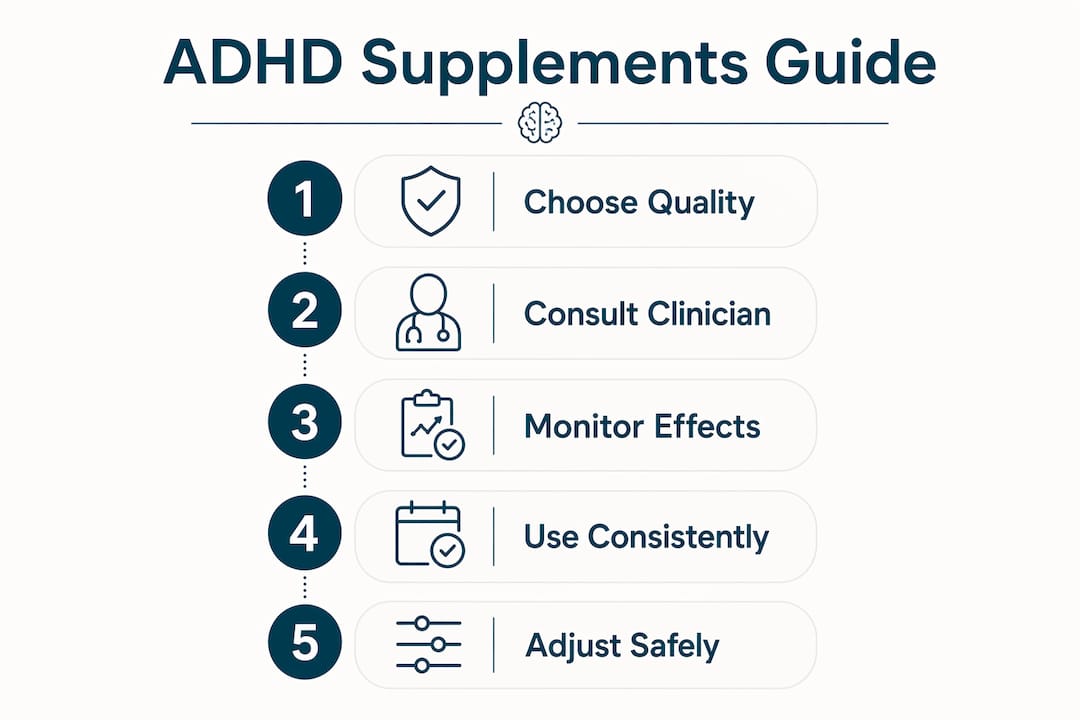
- Start with the lowest effective dose and titrate up only under medical supervision
- Disclose all supplements to your child’s prescribing clinician, since interactions with stimulant medications and nonstimulants are possible
- St. John’s Wort in particular has significant interaction potential with many medications, including those commonly used for ADHD
- Choose products that carry third-party testing certification (NSF International, USP, or Informed Sport) to verify label accuracy
- Be skeptical of proprietary blends that do not disclose individual ingredient doses
Interactions between supplements and ADHD medications:
Omega-3s at high doses can interact with anticoagulants. St. John’s Wort affects cytochrome P450 enzymes and can alter the metabolism of stimulant medications. Even seemingly benign supplements like magnesium can affect absorption of certain medications when taken simultaneously. The safest approach is to treat supplements with the same disclosure standard as prescription drugs: your doctor needs to know everything you are taking.
Pro Tip: Before starting any supplement regimen for ADHD, request a full micronutrient panel from your child’s pediatrician or your own primary care provider. Knowing actual serum levels of ferritin, zinc, magnesium, and vitamin B12 takes the guesswork out of the decision and prevents you from supplementing nutrients that are already adequate.
Evaluating product quality is not straightforward, but a few markers help. Look for supplements that list exact ingredient amounts rather than hiding behind “proprietary blend” language. Third-party certification from NSF International or USP means an independent lab has verified that what is on the label is actually in the bottle at the stated dose. For children especially, this verification matters.
Timing and consistency also affect outcomes. Omega-3s are fat-soluble and absorb better with meals. Melatonin works best when taken at the same time each night, 30 minutes before the intended sleep time. Minerals taken on an empty stomach are more likely to cause nausea. These are practical details that affect whether a supplement actually delivers its potential benefit.
For families also navigating ADHD alongside anxiety or depression, the supplement picture gets more complex. Some nutrients, like magnesium and omega-3s, have evidence across both conditions, which can be an advantage. But interactions multiply when multiple conditions are being managed simultaneously, which is another reason professional oversight is not optional.
The ADHD learning strategies that work best for children at home tend to combine behavioral structure with nutritional support, not one or the other. Supplements fit into that picture as one tool among several, not the centerpiece.
Snapbrainformula offers targeted nutritional support for ADHD

Managing ADHD nutritionally means addressing multiple systems at once: neurotransmitter production, sleep regulation, emotional balance, and sustained focus. Snapbrainformula’s SNAP formula is built around exactly that multi-target approach, formulated specifically for children, teens, and adults who need more than a single-ingredient supplement can deliver.
What sets SNAP apart from assembling individual supplements is the combination of ingredient transparency, formulation designed for brain health, and the educational content Snapbrainformula provides alongside the product. Parents do not just get a bottle; they get the context to understand what they are giving and why it fits their child’s needs. That combination of product and education is what Snapbrainformula was built around.
For families who have read the research, talked to their clinician, and are ready to add a structured nutritional supplement to their ADHD management plan, SNAP is a practical next step. Visit Snapbrainformula to review the full formulation and find the right option for your child or yourself.
Key Takeaways
Omega-3 fatty acids, iron, zinc, magnesium, melatonin, and carnitine each have clinical evidence supporting their use as adjuncts in ADHD management, but none replace FDA-approved medications or behavioral therapy, and mineral supplements require confirmed deficiency testing before use.
| Point | Details |
|---|---|
| Omega-3s lead the evidence | Doses of 1–2 g/day show modest but consistent ADHD symptom improvement across meta-analyses. |
| Minerals work for deficiencies | Iron (10–80 mg/day) and zinc (30–150 mg/day) reduce symptoms in deficient individuals; testing before supplementing is required. |
| Melatonin targets sleep, not core symptoms | 3–6 mg at bedtime improves sleep onset and duration in children with ADHD but does not reduce hyperactivity or inattention directly. |
| Supplements are adjuncts, not replacements | Stimulants carry an effect size of roughly 1.0; supplements fall well below that and should complement, not replace, established treatments. |
| Snapbrainformula’s SNAP formula | A multi-ingredient brain health supplement designed for children, teens, and adults to support focus, mood, and emotional balance. |
Recommended
- ADHD vs Other Behavioral Disorders What You Need to Know – SNAP Brain Health Supplements
- Effective Solutions for Managing ADHD Alongside Depression – SNAP Brain Health Supplements
- 10 Strategies for Managing ADHD at Home – SNAP Brain Health Supplements
- The Best Brain Supplements for Enhancing Dopamine Production – SNAP Brain Health Supplements
