
ADHD and ODD frequently occur together, and when they do, the most effective first move is a combined plan: consistent parent-focused behavioral strategies alongside coordinated medical evaluation, not punishment escalation. These are two distinct diagnoses with real overlap in the brain systems that control emotion and impulse. Start by writing down specific examples of the behavior, calling your pediatrician or a child psychologist, and building predictable routines this week.
TL;DR:
- About half of children with combined-type ADHD also meet criteria for ODD, especially those with higher impulsivity profiles.
- ODD behavior is characterized by consistent defiance and deliberate opposition, often more reported at home than at school.
- Early, combined behavioral and medical intervention typically produces noticeable improvements within a few months, reducing long-term risks.
- Parent management training programs tailored for children with both ADHD and ODD show significantly better outcomes than general programs.
- Practical day-to-day strategies include clear instructions, visual schedules, emotion-coaching, and ensuring consistent sleep and movement routines.
Table of Contents
- Understanding ADHD and ODD: Shared Signs, Key Differences
- Why ADHD and ODD Frequently Occur Together
- Getting a Diagnosis: What the Evaluation Process Looks Like
- ADHD Treatment Options When ODD Is Also Present
- Practical Strategies for Managing ADHD and ODD Day to Day
- Outlook and When to Seek Professional Help
- How Snapbrainformula Supports Families Navigating ADHD and ODD
- A Straight Answer on Behavior That Feels Personal
- A Supportive Option Alongside Clinical Care
- Sources
Understanding ADHD and ODD: Shared Signs, Key Differences
ADHD and ODD can look alike from across a classroom. A kid who shouts out, refuses to sit still, and ignores instructions might have either condition, or both. The distinction matters because it changes what treatment actually works.
ADHD symptoms cluster into three categories: inattention, hyperactivity, and impulsivity. A child with the inattentive presentation loses homework, drifts off mid-conversation, and struggles to organize a backpack. A child with hyperactive-impulsive features fidgets constantly, blurts out answers, and interrupts. Neither of these, on their own, is defiance. It’s a brain that struggles to filter, sequence, or sustain attention.
ODD looks different. The DSM-5 groups its symptoms into three clusters: angry or irritable mood (frequent temper loss, easily annoyed), argumentative or defiant behavior (arguing with adults, refusing to comply with rules, deliberately annoying others), and vindictiveness (spitefulness at least twice in six months). The key giveaway is intent and pattern: ODD behavior is not “I forgot,” it’s “I won’t,” repeated across settings and time.
Here’s where the two diverge in practice:
- Missed homework (ADHD): the child intended to do it, got distracted, and genuinely forgot.
- Refused homework (ODD): the child understood the task and flatly declined, often escalating if pushed.
- Talking out of turn (ADHD): impulsive, not aimed at anyone.
- Talking back (ODD): pointed, argumentative, aimed at undermining authority.
- Fidgeting through a lesson (ADHD): physical restlessness, not resistance.
- Refusing to enter the classroom (ODD): active opposition to a specific demand.
Setting matters too. A child with ADHD often struggles more at school, where sustained attention is required for six hours straight. A child with ODD frequently shows more defiance at home, where the emotional stakes with parents are higher, though teachers often see it too once trust erodes. Clinicians weigh reports from both environments for this exact reason.
Prevalence also shifts by ADHD presentation. Roughly 41% of children with ADHD also meet criteria for ODD, but that number is not evenly distributed. Kids with combined-type ADHD (both inattentive and hyperactive-impulsive features) show ODD at a rate near 50.7%. Inattentive-only ADHD carries the lowest overlap, around 21%. Hyperactive-impulsive presentation sits close to 42%. The pattern tracks with impulse control: the more impulsivity in the ADHD profile, the more likely oppositional behavior shows up alongside it.
Why ADHD and ODD Frequently Occur Together
The overlap between ADHD and ODD isn’t a coincidence of two unrelated conditions colliding. It traces back to shared wiring in how the brain manages emotion and self-control.
Emotional dysregulation sits at the center of this. Children with ADHD often have a harder time downshifting from frustration to calm, not because they’re choosing to melt down, but because the neural circuits that regulate emotional response function differently than in kids without ADHD. Pair that with executive-function deficits, the same skills responsible for planning, switching tasks, and inhibiting a first reaction, and you get a child who reacts to a minor demand (“put your shoes on now”) with what looks like an oversized, defiant response.
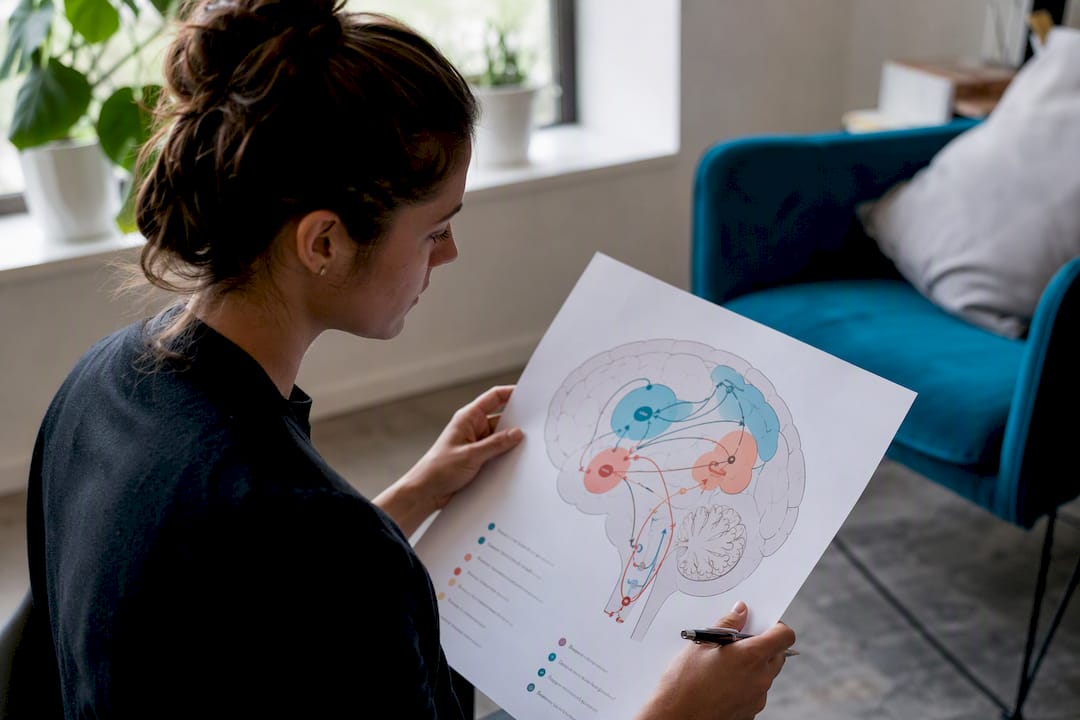
Impulsivity plays a direct role too. A child who can’t pause between the urge to yell “no!” and the act of yelling it will rack up oppositional-looking incidents even without any intent to defy. Low frustration tolerance compounds this. Something that would mildly annoy another kid, like being told to stop a game, can feel unbearable to a child whose nervous system is already working overtime to manage attention and impulses.
Several contextual factors turn a vulnerable brain into a pattern of daily conflict:
- Chronic sleep deprivation, which worsens both attention and emotional control.
- Undiagnosed learning difficulties that create daily frustration at school.
- Coercive parent-child interaction cycles, where escalating commands meet escalating resistance.
- Trauma or chronic stress, which primes the nervous system toward fight-or-flight reactions.
- Sensory overload, particularly in noisy or crowded classrooms.
Defiance is often the visible tip of an invisible problem. A child who refuses, again and again, may be signaling an overwhelmed nervous system, a skill they haven’t developed yet, or a need nobody has named out loud. Reading it as pure willfulness misses what is actually happening underneath.
Getting a Diagnosis: What the Evaluation Process Looks Like
A proper evaluation for an ADHD and ODD diagnosis takes more than one office visit. Here’s the general sequence most clinicians follow:
- Clinical interview and history. The clinician asks about symptom onset, family history, developmental milestones, and any major stressors, both current and past.
- DSM-5 criteria review. For ADHD, symptoms must appear before age 12, persist across two or more settings, and impair functioning. For ODD, the DSM-5 requires symptoms lasting at least six months, which rules out a bad week or a rough transition.
- Multi-informant rating scales. Parents and teachers both complete standardized checklists (common examples include the Vanderbilt or Conners scales), because behavior at home and behavior at school don’t always match.
- Direct behavioral examples. Bring specifics: dates, triggers, what happened before and after an outburst. “He argues a lot” tells a clinician far less than “he refused to leave the playground three times this week and threw his shoes when I insisted.”
- Rule-outs for overlapping conditions. Anxiety, sensory processing issues, and learning disorders can all produce ODD-looking behavior, so a thorough evaluation checks these before settling on a diagnosis.
- Differential diagnosis discussion. The clinician distinguishes ADHD-only, ODD-only, and comorbid presentations, because the treatment plan for each looks different.
Co-occurrence matters clinically for a specific reason: when ADHD medication alone doesn’t produce the behavioral improvement a family expected, that’s often a sign ODD is present and needs its own targeted intervention, not a sign the medication failed. If you’re documenting symptoms at home, a guide to identifying ODD symptoms can help you organize what to bring to that first appointment.
ADHD Treatment Options When ODD Is Also Present
Managing ADHD and ODD together calls for a multimodal approach. Medication alone rarely resolves defiance, and behavioral therapy alone rarely resolves attention deficits. The evidence points toward combining both, with parent-focused intervention carrying the heaviest weight when ODD is in the picture.

Stimulant medication remains the frontline pharmacologic option for ADHD, and it can meaningfully reduce impulsivity and aggression that fuel oppositional flare-ups. But stimulants alone rarely resolve the defiance component of ODD; they treat the attention and impulse-control symptoms, not the learned patterns of arguing and refusal that ODD involves. Non-stimulant options like atomoxetine and alpha-2 agonists such as guanfacine ER have shown short-term benefit for disruptive symptoms in some clinical trials, though the effect size tends to be smaller than what parent training produces for oppositional behavior specifically.
Parent-management training is the centerpiece of ODD treatment. Several programs have strong evidence behind them:
- Parent-Child Interaction Therapy (PCIT), which coaches parents in real time through a one-way mirror or earpiece.
- The Incredible Years, a group-based program targeting both parenting skills and child social-emotional competence.
- Triple P (Positive Parenting Program), a tiered system that scales from light-touch guidance to intensive family intervention.
- Parent Management Training Oregon (PMTO), which focuses on breaking coercive family cycles.
- Helping the Noncompliant Child (HNC), a Hanf-based model built specifically around defiance and compliance.
Pro Tip: If your child has been diagnosed with both ADHD and ODD, ask specifically whether the parent program your clinician recommends has been tested with kids who have both conditions, not just ADHD alone. The distinction matters for outcomes.
That last point isn’t hypothetical. A secondary analysis comparing HNC against an ADHD-only parent program found that among preschoolers, 44.6% had comorbid ODD, and for that subgroup, the ODD-focused program produced greater reductions in disruptive behavior on both parent and some teacher reports. Both programs improved ADHD symptoms similarly, but only the ODD-tailored approach moved the needle on defiance itself. AHRQ’s evidence synthesis backs this up broadly: multicomponent and parent-only psychosocial interventions consistently beat control conditions on parent-reported disruptive behavior.
Coordination with schools closes the loop. A 504 plan or behavior intervention plan aligns classroom expectations with what’s happening at home, and regular communication between teacher, parent, and clinician prevents the frustrating scenario where a child does well in one setting and struggles in another with nobody comparing notes.
Practical Strategies for Managing ADHD and ODD Day to Day
Evidence-based programs matter, but daily survival comes down to smaller, repeatable moves. Here’s a sequence that works for most families dealing with both conditions:
- Give brief, single-step instructions. “Shoes on” works better than a three-part request buried in a longer sentence a distracted or defiant brain will tune out halfway through.
- Use labeled praise immediately. Instead of a generic “good job,” say exactly what you noticed: “You put your shoes on the first time I asked.” Specificity reinforces the exact behavior you want repeated.
- Ignore low-level provocation on purpose. Eye-rolling and muttered comments often escalate faster when they get a reaction. Save your response for behavior that actually needs correcting.
- Build visual schedules and use timers for transitions. Predictability lowers the anxiety that often triggers defiance in kids who struggle to shift attention.
- Teach a small set of emotion-coaching phrases. “I can see you’re frustrated. Let’s take three breaths together” names the feeling before asking for compliance, which short-circuits a lot of power struggles.
- Protect sleep like it’s non-negotiable. Sleep debt worsens both inattention and emotional volatility, often within a single day.
- Add movement breaks throughout the day. Even five minutes of physical activity between tasks can reset a dysregulated nervous system.
Nutrition plays a supporting role too. Steady blood sugar through regular, protein-forward meals helps prevent the irritability spikes that often precede a meltdown. Partner resources like this guide to daily emotional regulation and this breakdown of reducing decision fatigue in neurodivergent households offer concrete routines families can layer on top of clinical care. For ADHD-specific home structure, our own 10 strategies for managing ADHD at home covers routine-building in more depth.
At school, small accommodations go a long way: preferential seating away from high-stimulation corners, a signal system for requesting a sensory break, and advance warning before transitions.

Outlook and When to Seek Professional Help
Kids who receive early, combined intervention, meaning both behavioral treatment and medical management when appropriate, tend to see meaningful improvement in defiance and attention symptoms within a matter of months. Left untreated, comorbid ADHD and ODD carries real risk: children with both conditions show greater impairment in academic performance, peer relationships, and family functioning than kids with ADHD alone, and untreated defiance can escalate toward more serious conduct problems in adolescence.
Certain signs warrant an urgent call to a professional, not a wait-and-see approach:
- Physical aggression toward people or property that is increasing in frequency or severity.
- Any talk of self-harm or expressions of hopelessness.
- Sudden, severe social withdrawal.
- Signs of substance use, even experimentation.
For families starting a new intervention, track progress with a simple weekly log for the first 8 to 12 weeks: frequency of outbursts, triggers, and what de-escalation attempts worked. That window is usually enough to tell whether a program needs adjusting.
How Snapbrainformula Supports Families Navigating ADHD and ODD
Snapbrainformula’s role here is educational first. Understanding ADHD’s overlap with other conditions, including anxiety, which often complicates the ADHD and ODD picture further, helps families ask sharper questions in the exam room. Because anxiety symptoms can mimic or amplify oppositional behavior, ruling it out matters.
Nutritional support fits as an adjunct, never a replacement for behavioral therapy or medical care. If you’re considering a supplement:
- Discuss it with your child’s prescriber before starting, especially alongside existing medication.
- Track mood, attention, and behavior changes for at least four weeks to spot real patterns.
- Keep expectations realistic: nutrition supports brain function, it doesn’t substitute for parent training or clinical treatment.
A Straight Answer on Behavior That Feels Personal
Caregiver exhaustion is real, and nobody tells you how much energy it takes to stay calm through a fifth meltdown before breakfast. That behavior often isn’t aimed at you. It’s usually a signal: an unmet need, a skill still under construction, a nervous system running hot. Pick one strategy from this guide, try it consistently for two weeks, and bring documented examples to a clinician. If you want more background on the mechanics of executive function and behavior, our guide to managing oppositional behavior is a good next stop.
— Ellory
A Supportive Option Alongside Clinical Care
Snapbrainformula’s supplements exist for one specific gap: the space between diagnosis and daily life, where nutrition can support focus and emotional steadiness while your clinical team handles diagnosis and behavioral treatment. We’re not a substitute for a pediatrician, a therapist, or a parent-training program. We’re a science-based adjunct built for families already doing the hard work of managing ADHD and ODD.

Talk to your child’s doctor before adding any supplement to an existing treatment plan, particularly if stimulant medication is already part of the picture. If that conversation gives you the green light, you can explore Snapbrainformula’s capsule and liquid formulas designed to support mood, focus, and emotional balance at Snapbrainformula and see which option fits your family’s routine.
Sources
For deeper research, CHADD’s co-occurring conditions page covers prevalence data by ADHD presentation. AHRQ’s evidence review details psychosocial and pharmacologic trial outcomes. The PMC review examines treatment approaches for disruptive behavior in depth.
- ADHD and Co-occurring Conditions - CHADD
- Psychosocial and Pharmacologic Interventions for Disruptive Behavior in Children and Adolescents - AHRQ/National Evidence
